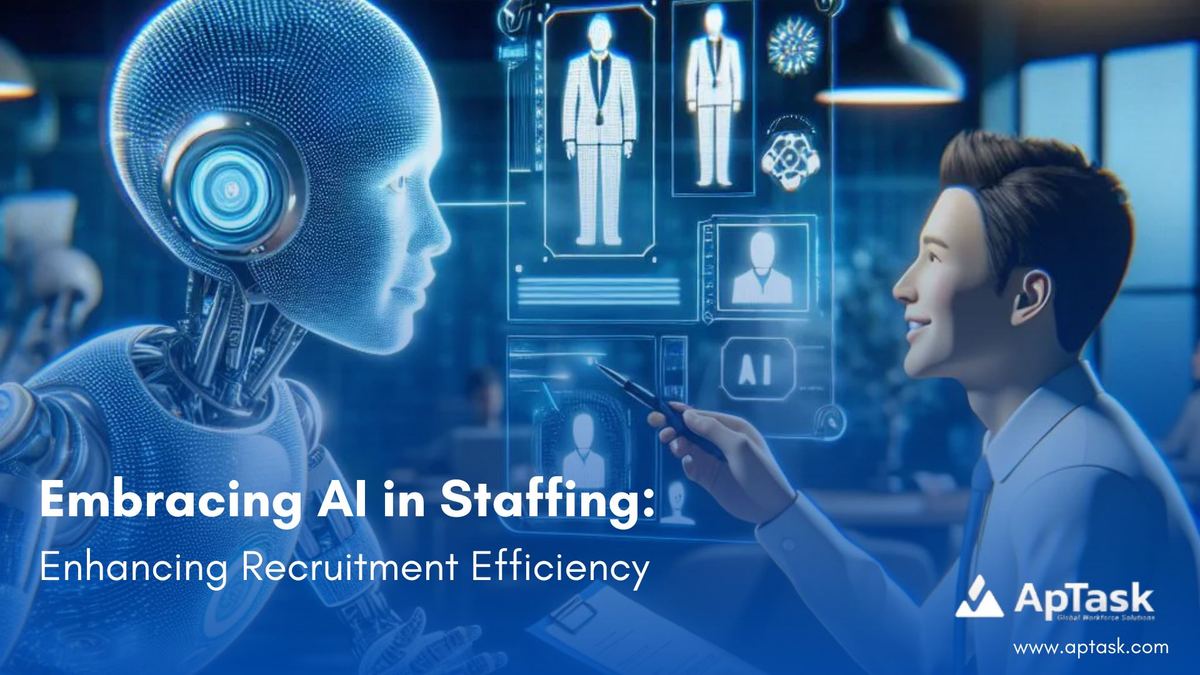
Automation now handles many of recruiting’s highest-volume tasks, giving teams more time to evaluate fit, communicate with candidates, and make better decisions. Modern technology streamlines the slowest, most manual parts of hiring, delivering faster and more reliable outcomes. As competition grows, more organizations are embracing tech-driven approaches to improve hiring without increasing workload.
This article explains how a blend of automation, data-based insights, and machine learning is strengthening the staffing ecosystem and creating more efficient recruitment systems.
Why Tech-Driven Staffing Is Growing Rapidly
Digital staffing tools are becoming essential for modern recruitment teams. They help organizations manage large application volumes, reduce repetitive tasks, and consequently improve overall accuracy. These solutions analyze patterns, identify suitable candidates, and support shortlisting with greater consistency.
Therefore, recruiters can spend more time on relationship-building, interviews, and strategic decisions instead of manual screening.
How AI Streamlines the Hiring Process
AI enhances hiring efficiency by speeding up routine steps and reducing errors. Modern platforms can scan thousands of profiles in seconds, identify skill gaps, and highlight qualified applicants. This cuts screening time and helps companies maintain a strong talent pipeline.
Because of this, HR teams gain more time to focus on quality assessment and personalized communication, since these systems handle early-stage work.
Machine Learning’s Role in Better Staffing Decisions
Machine learning plays a key role in improving hiring outcomes. It studies past successes and failures, allowing the system to learn and refine its recommendations. Insights generated by these models help employers understand which applicants are likely to perform well and stay longer.
This predictive approach gives companies a clearer view of talent quality and supports better long-term decisions.
Flexibility Through Smarter Temporary Staffing
Workload demands often change, and businesses need flexible hiring options. Smart platforms built with machine learning can predict when temporary workers are needed. Moreover, they match candidates to roles quickly by analyzing skills, availability, and project requirements.
This leads to smoother operations and helps organizations manage peak seasons or urgent projects more effectively.
How Modern Staffing Agencies Use Technology
Today’s forward-thinking staffing agencies combine human insight with intelligent tools. Instead of relying solely on manual judgment, they use data and automation to improve accuracy. As a result, hiring becomes far more reliable and consistent.
These agencies track hiring trends, analyze job requirements, and deliver curated shortlists that match employer expectations more closely.
Consequently, companies receive higher-quality candidates in less time, while job seekers experience quicker and more personalized guidance.
Predictive Recruitment With Advanced Tech Platforms
Predictive hiring is becoming a central part of recruitment strategies. Using large datasets, modern platforms can assess soft skills, behavior patterns, job history, and future potential. This approach reduces guesswork and supports fairer, more consistent decisions.
Because the process relies on objective analysis, it also helps minimize unconscious bias while improving overall match quality.
Improving Candidate Experience With Smarter Tools
A positive candidate experience is crucial, and today’s digital tools help achieve this easily. Automated systems provide quicker updates, personalized recommendations, and clearer role matching. They also guide applicants through assessments and identify opportunities aligned with their interests and abilities.
This creates a smoother journey and encourages more candidates to complete the hiring process.
Major Advantages for Companies
Businesses using modern recruitment technology benefit from:
- Faster screening
- Lower operational costs
- Better accuracy
- Stronger matching
- Data-based decision-making
- Simplified onboarding
These improvements help organizations build high-performing teams while saving time and resources.
Future Trends Shaping the Staffing Industry
The future of hiring will rely increasingly on automation and intelligent insights. Tools powered by AI and machine learning will take on more early-stage screening tasks and offer deeper performance predictions. They will integrate closely with HR software and play a major role in workforce planning.
As these tools continue to evolve, organizations that adopt them early will gain a competitive edge in attracting and retaining talent.
Conclusion
AI in staffing is no longer optional. It has become a core part of how modern organizations hire, assess, and manage talent. Whether through automated platforms, data-driven insights, or machine learning, the benefits are clear. Companies get better candidates, save time, and make more informed decisions.
Adopting these tools now will help businesses stay ahead and build stronger, more adaptable teams for the future.
Frequently asked questions
How does AI streamline the hiring process?
AI enhances hiring efficiency by speeding up routine steps and reducing errors. Modern platforms can scan thousands of profiles in seconds, identify skill gaps, and highlight qualified applicants. This cuts screening time and helps companies maintain a strong talent pipeline.
What role does machine learning play in staffing decisions?
Machine learning plays a key role in improving hiring outcomes. It studies past successes and failures, allowing the system to learn and refine its recommendations. Insights generated by these models help employers understand which applicants are likely to perform well and stay longer.
Can objective, analysis-driven hiring help minimize unconscious bias?
This approach reduces guesswork and supports fairer, more consistent decisions. Because the process relies on objective analysis, it also helps minimize unconscious bias while improving overall match quality.